
table of contents
LECA – Lightweight Expanded Clay Aggregate has earned its place as one of the most reliable hydroponic substrates in the world. Produced through high-temperature kiln expansion at 1,100-1,200°C, it delivers porous, durable pellets with densities ranging from 250 to 600 kg/m³. The result is a growing medium that drains freely, holds enough moisture to support roots, and stays structurally stable across multiple growing cycles.
But LECA doesn’t perform well by accident. How you prepare it, set it up, and manage nutrients directly affects how your plants respond. This guide covers the process from start to finish.
Why Growers Choose LECA
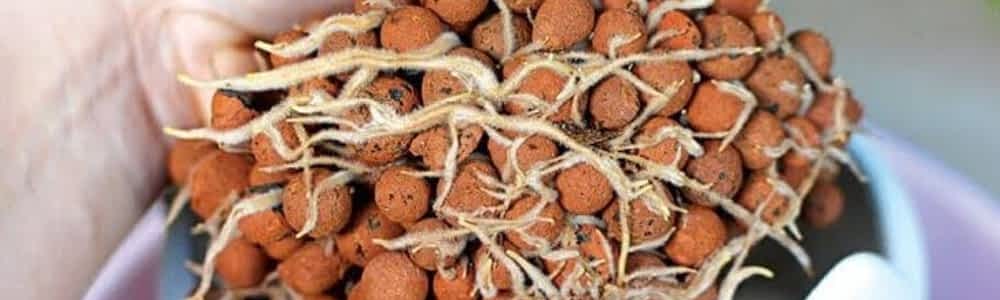
LECA has a porous structure that allows excess water to drain quickly, preventing waterlogged conditions and reducing the risk of root rot. Beyond drainage, the porous nature of LECA provides ample oxygen circulation around the roots, promoting healthy root growth and preventing issues related to poor aeration. It is also pH neutral, meaning it does not significantly affect the acidity or alkalinity of the growing environment.
These three factors – drainage, aeration, and pH stability – make LECA predictable in a way that organic soil simply cannot be. For growers running nutrient solutions, a stable, inert medium gives them full control over what the plant receives.
LECA provides excellent support for plant roots
LECA pellets are 100% inert and maintain stability over 50 years, which means the substrate itself never degrades, competes with your nutrients, or introduces contaminants into the root zone.
Preparing LECA Before First Use
Preparation is where most beginners skip steps, and where problems begin.
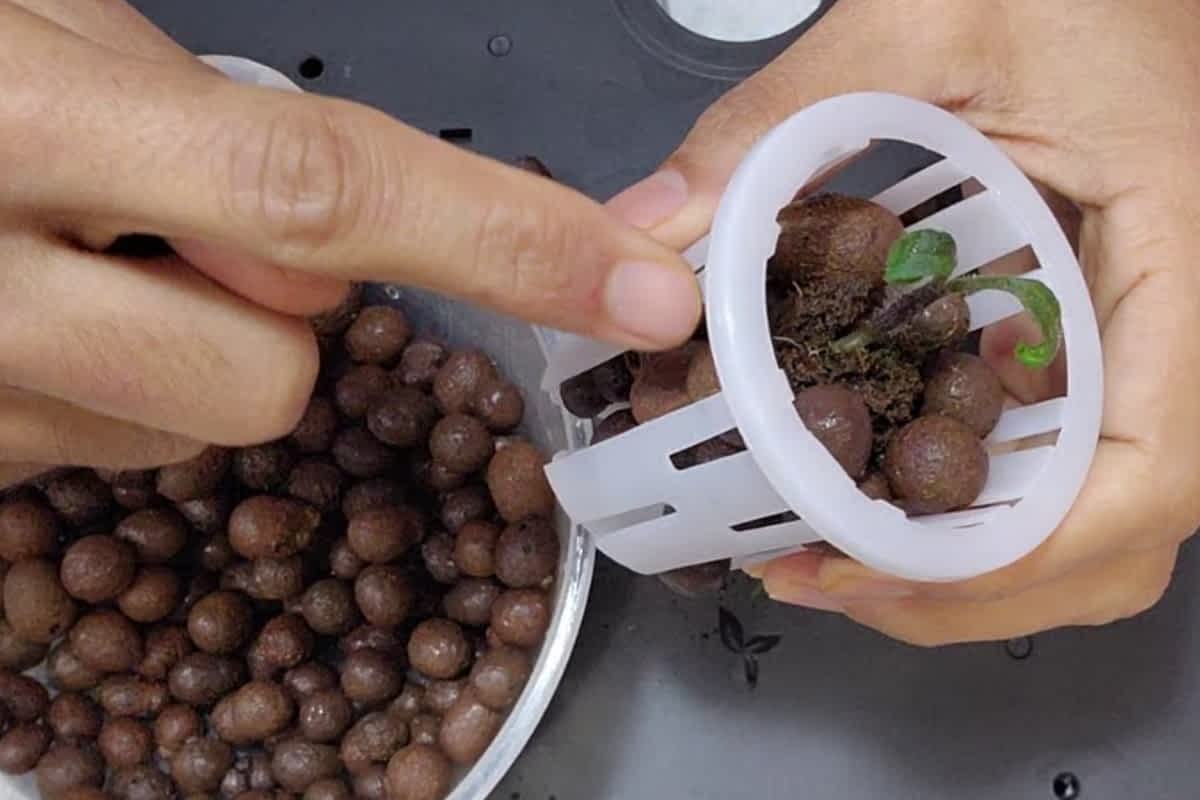
Begin by rinsing the LECA pellets under warm water to remove dust. After rinsing, soak the LECA in clean water for 12 to 24 hours. This step helps the pellets absorb water and prevents them from drawing moisture away from plant roots initially.
Do not rush this step. Dry LECA placed directly into a system will pull moisture aggressively from the root zone in those first few hours, stressing newly transplanted seedlings.
System Setup – How to Structure Your LECA Grow
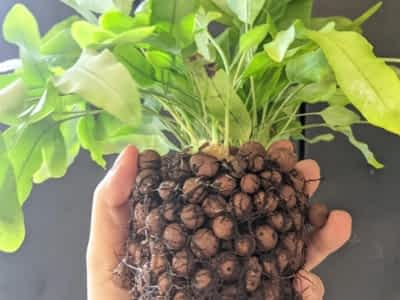
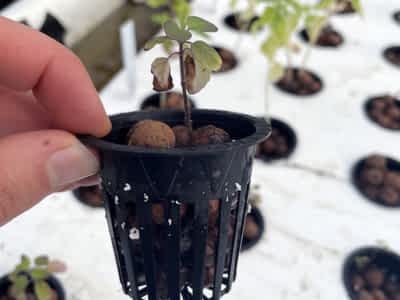
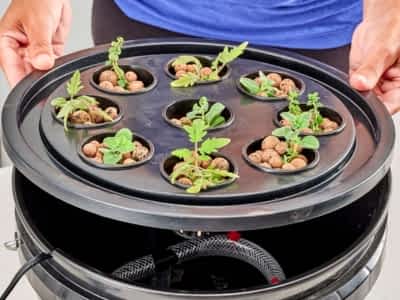
There are three common semi-hydroponic pot setups: single-pot, wicking, and submerged. A submerged setup involves two pots – an inner net pot that houses the plant and substrate, which sits within a second outer cache pot that serves as your nutrient solution reservoir. The inner pot can be removed from the reservoir for easy plant maintenance.
For most growers starting with LECA, the two-pot submerged setup is the most forgiving. Keep the water level just below the plant’s roots to encourage them to grow downward.
Managing Nutrients in LECA
When you grow in LECA, the medium is inert, which means the plant is 100% dependent on the chemistry of the water you provide. The roots need ionic nutrients – minerals that are already dissolved and ready for immediate uptake.
For pH, most hydroponic growers target a range of 5.5 to 6.5. Calcium and magnesium are better absorbed in neutral to alkaline conditions, while iron, copper, and zinc are better absorbed in acidic to neutral conditions. Monitoring pH regularly is not optional in an inert medium – it is the single most important variable in your system.
Flushing and Long-Term Maintenance
Over time, salts from fertilizers can accumulate in LECA, leading to nutrient lockout and root issues. Every 4 to 6 weeks, rinse the LECA thoroughly with fresh water to remove built-up salts. Pour fresh water over the LECA until it drains out the bottom, and repeat until the runoff water is clear.
Because LECA is reusable, a well-maintained batch can serve multiple growing cycles. At the end of a cycle, rinse, sterilize, and allow to dry before reuse.
Why SUBSTRAVA LECA:
- Consistent pellet size for uniform drainage and airflow
- Manufactured under controlled kiln conditions for density uniformity
- pH neutral and free from contaminants
- Available in bulk for commercial operations
- Sourced and exported globally with verified quality documentation

