
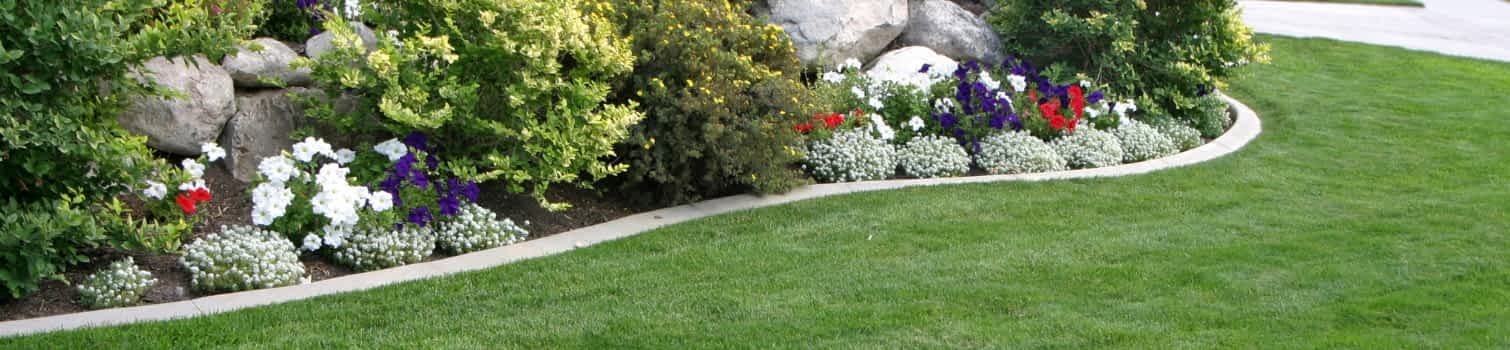
LECA for green roofs and landscaping
Most of what makes a landscaping project or green roof system perform well is hidden. It is beneath the decorative stone, under the growing medium, inside the drainage layer – invisible once the project is complete, but responsible for everything the surface does over the years that follow.
Water management is at the heart of this. In urban environments particularly, how a landscape handles rainfall, irrigation, and drainage affects the health of planted areas, the condition of the structures beneath them, and the long-term maintenance burden on whoever manages the space.
SUBSTRAVA supplies LECA and Perlite for the substrate and drainage layers that professional landscapers, green roof designers, and urban horticulturalists build their projects around. Our materials are lightweight, structurally stable, and suited to applications where performance over the long term matters more than initial cost.
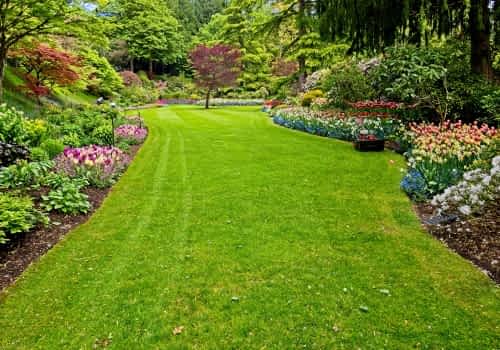
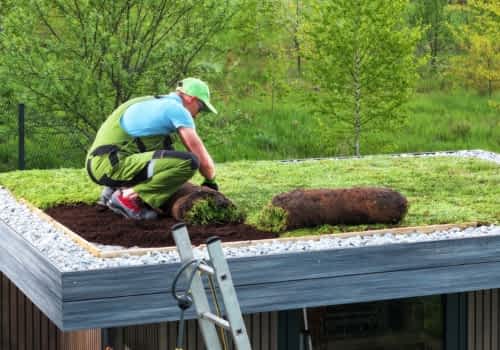
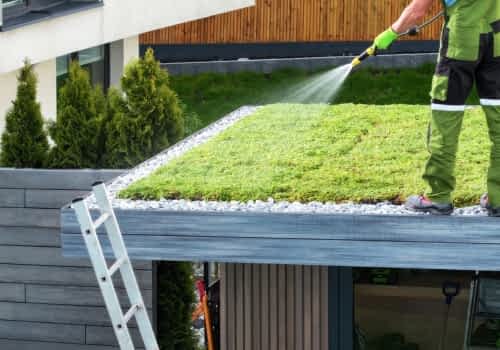
Leca for green roofs and roof gardens
Green roofs and roof gardens introduce living plant systems onto structures that were not always designed to carry significant weight. Every kilogram added to a roof system needs to be justified – which is why the substrate and drainage layers used in green roof construction have to be as light as possible while still doing their job effectively.
LECA is one of the most widely used materials in green roof construction for exactly this reason. Our Expanded Clay Aggregate is lightweight by nature its air-filled interior structure means it provides drainage and substrate volume without the weight penalty that heavier materials would impose.
In a typical green roof system, LECA is used in one or more layers depending on the system design. As a drainage layer, it sits beneath the growing medium and allows excess water to move freely off the roof rather than pooling and adding weight or causing waterlogging in the plant root zone. As part of the substrate layer, it reduces the overall weight of the growing medium while maintaining adequate volume and structural support for plant roots.
LECA does not break down over time. Unlike organic materials that decompose and compact, expanded clay holds its structure for decades. This is particularly important in roof applications where accessing and replacing substrate is costly and disruptive.
Our LECA is supplied in aggregate sizes suited to different green roof system types – from lightweight extensive systems with shallow growing media to deeper intensive systems capable of supporting larger plants and trees.
Leca for landscaping and drainage systems
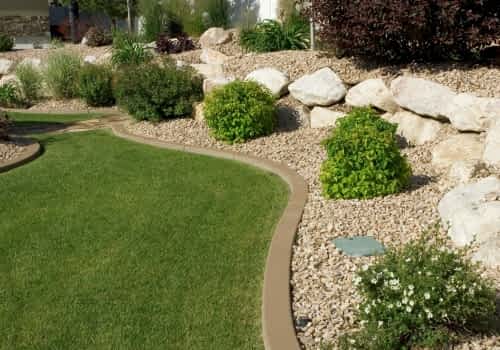
In ground-level landscaping, drainage is just as important as it is on a rooftop. Poorly drained landscape beds become waterlogged, plant roots suffocate, and hardscape areas suffer from water pooling and ground movement.
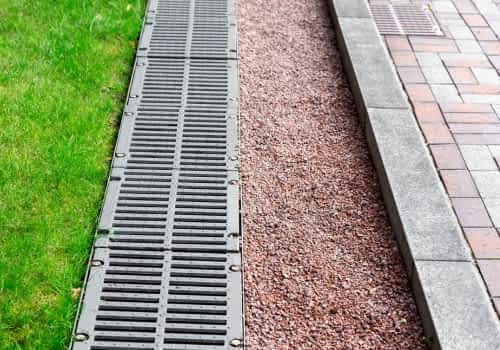
LECA is used in landscape drainage systems to create pathways for water to move through and away from planted areas and structures. Placed in drainage trenches, beneath raised beds, or as a base layer under landscape areas where drainage needs to be improved, it allows water to pass through quickly while holding its shape and remaining stable under the weight of the material above it.
It is also used as a decorative and functional mulch alternative in landscape beds, providing a clean surface layer that suppresses weeds, reduces moisture evaporation from the soil below, and does not decompose or blow away the way organic mulches can.
For commercial landscaping projects – corporate campuses, public parks, urban planting schemes, and roadside landscape work – LECA provides a durable, low-maintenance substrate solution that performs well across different climate conditions.
Perlite for landscape soil improvement and green roof growing media
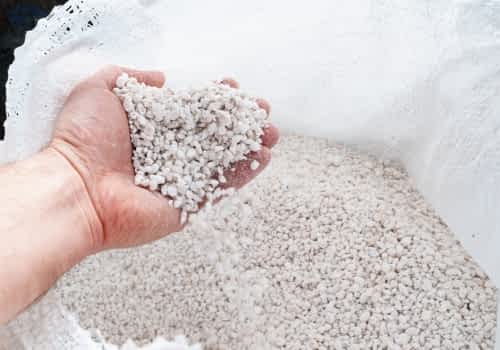
In landscape applications where existing soil is heavy, compacted, or poorly drained, incorporating Perlite into the growing medium improves its structure significantly. Our horticultural Perlite opens up dense growing media, creates air pathways for root development, and improves the rate at which water drains away from the root zone.
For green roof growing media formulations, Perlite is often a component in the engineered substrate layer that sits above the drainage layer. It reduces the overall weight of the growing medium while maintaining the aeration and drainage characteristics that roof-level plants need to establish and thrive under the more challenging conditions found on an exposed rooftop.
Perlite is also used in the construction of sports and amenity turf rootzones – the engineered growing medium layer used beneath grass on golf courses, sports fields, and public parks. In these applications, it helps maintain drainage even under heavy foot traffic and irrigation pressure, preventing the compaction that leads to poor playing surfaces and unhealthy grass.
Why SUBSTRAVA
Materials suited to long-term outdoor performance
LECA and Perlite do not decompose, compact, or break down in the way organic materials do. In landscaping and green roof applications, this means the system performs consistently for years without substrate degradation.
Lightweight materials for weight-sensitive applications
Both LECA and Perlite are significantly lighter than conventional stone aggregates or soil-based materials. For green roof and elevated garden applications, this directly affects the structural load a building needs to carry.
Consistent particle sizes for engineered system design
Landscape and green roof systems are engineered to specific drainage rates and substrate depth requirements. Consistent particle sizing means the system performs to its design specification.
Bulk supply for large project volumes
Commercial landscaping and green roof projects require substrate materials in significant quantities. We supply at the volumes professional projects demand, with supply planning support for projects with defined timelines.
read product FAQ’s
Yes. We work with buyers on scheduled supply agreements to ensure consistent lead times and pricing stability. Speak to our team about setting up a recurring supply arrangement.
Yes. The material is chemically inert, non-toxic, and contains no heavy metals – fully compliant with REACH and FDA standards. Fired at 1,100–1,300°C, it is completely sterile and free from pathogens, weed seeds, and biological contaminants. It is suitable for certified organic hydroponic systems.
Our pre-shipment inspection includes mechanical sieve analysis of each batch. Results are documented and shared with buyers before final approval. Batches outside the agreed tolerance are rejected.
We work with buyers ordering full container loads (FCL) – 20-foot or 40-foot High Cube. For buyers with lower initial volume requirements, LCL (shared container) options may be available. Contact us with your volume and we will advise on the best arrangement.
The core material is the same – expanded volcanic glass. The distinction is in particle sizing and dust levels. Horticultural grades are sized for root aeration and typically have lower dust content to avoid blocking irrigation systems. Construction grades are sized for aggregate performance in concrete and insulation mixes. We supply both grades across our four size options.
No. Perlite has a neutral pH of 6.5–7.5 and an extremely low electrical conductivity. It does not contribute minerals or ions to your nutrient solution and will not affect system chemistry.

