
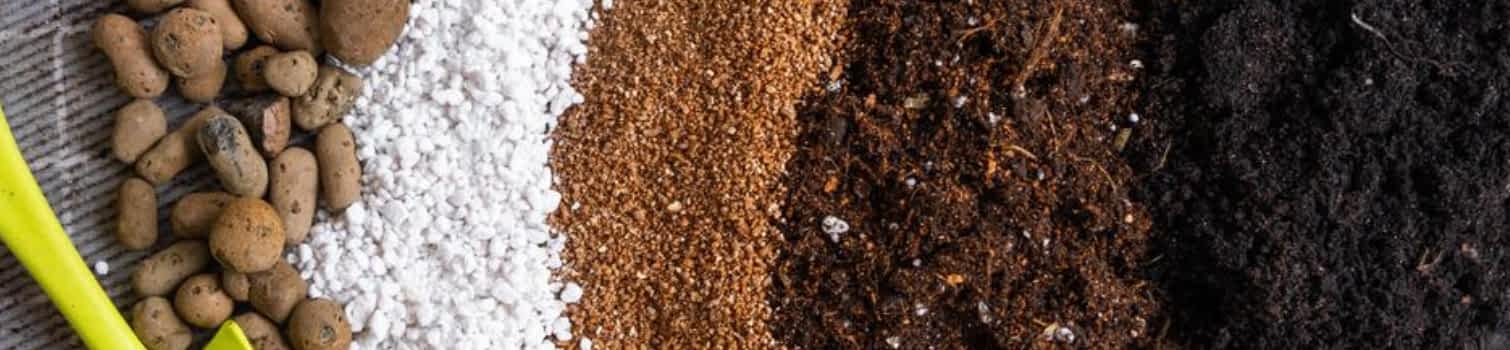
Perlite, Vermiculite, and LECA for Potting Mix and Growing Media Manufacturers
A bag of potting mix looks simple from the outside. What is inside it is anything but. Behind every formulation is a careful balance of materials, each chosen for a specific job moisture retention, drainage, structure, weight, and shelf stability.
For manufacturers producing potting mixes, seed starting blends, soilless growing media, and specialty horticultural substrates, the raw materials going into that formulation are the foundation of the finished product. If those raw materials vary from one delivery to the next, the formulation has to change to compensate, or the finished product changes without anyone intending it to.
SUBSTRAVA supplies Perlite, Vermiculite, and LECA in bulk to growing media manufacturers who need raw materials that behave the same way every time. Our role is to give you a stable base so that your formulation work stays focused on the product, not on correcting for inconsistent inputs.
Perlite as a core formulation component
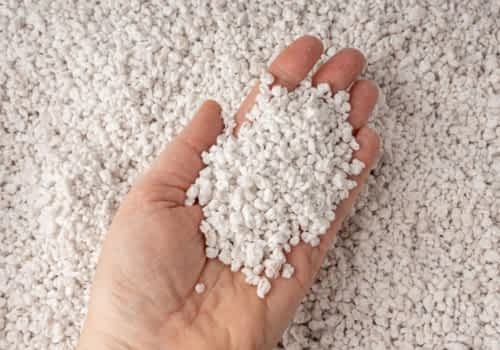
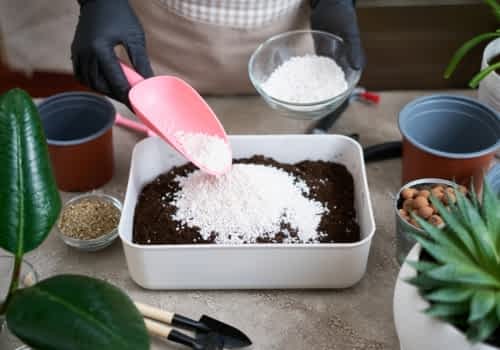
Perlite is one of the most commonly used materials in commercial potting mix formulations, and for manufacturers, its role is mostly about aeration and structure. When blended into a mix, Perlite creates air pockets that prevent the medium from compacting over time, particularly important for bagged products that may sit in storage or transit before reaching a grower.
Our horticultural Perlite is supplied in a range of particle sizes, which gives manufacturers flexibility in formulation. Finer grades work well in seed starting and propagation blends, while coarser grades suit general potting mixes and container growing media where drainage needs to be more pronounced.
Because Perlite is chemically inert and pH neutral, it does not interact with other components in a formulation. This makes it a stable base ingredient that manufacturers can rely on to behave the same way regardless of what else is in the mix.
Vermiculite as a moisture and nutrient component
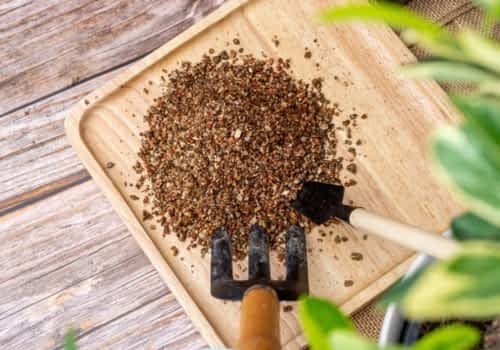
Where Perlite manages air, Vermiculite manages moisture and nutrient availability. Its layered structure holds water and releases it gradually, while its cation exchange capacity allows it to hold onto nutrients and make them available to plants over time.
For manufacturers, Vermiculite is a key ingredient in products aimed at seed starting, transplanting, and general potting use where consistent moisture matters to the end user. It is also used in specialty blends for moisture-sensitive crops, and in products marketed toward home gardeners who may not water as precisely as commercial growers.
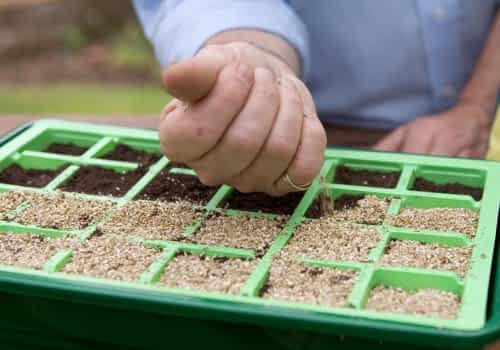
We supply Exfoliated Vermiculite in multiple particle sizes, allowing manufacturers to adjust how much water retention a particular formulation provides. Finer grades integrate more evenly into fine-textured mixes, while coarser grades are suited to general-purpose potting products.
Leca as a specialty and structural component
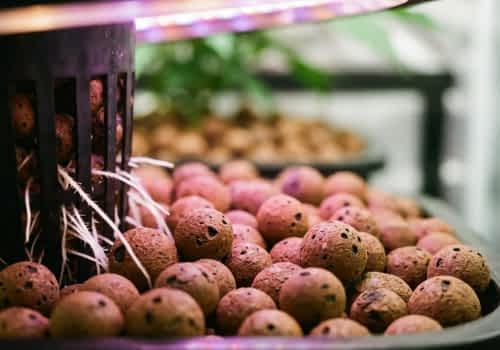
While LECA is most commonly known as a standalone hydroponic substrate, it also has a place in growing media manufacturing – particularly for manufacturers producing specialty product lines such as houseplant mixes, orchid blends, drainage layers for container gardening, and soilless media aimed at the growing indoor plant market.
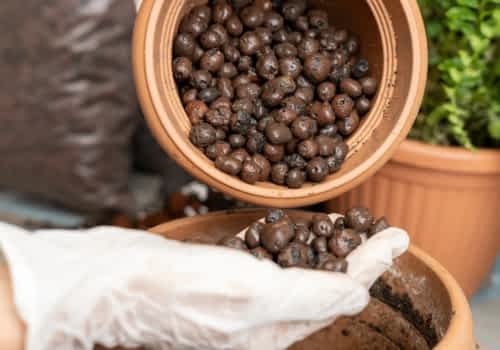
Our Expanded Clay Aggregate is supplied in various sizes, suited to different end uses. Smaller grades can be blended into specialty potting mixes to improve drainage for plants that are sensitive to overwatering. Larger grades are typically packaged as standalone drainage layers or hydroculture substrates.
For manufacturers expanding into the houseplant and indoor growing categories, LECA offers an opportunity to introduce new product lines using a material that is already well recognised by plant enthusiasts and indoor growers.
Why SUBSTRAVA
Bulk supply at manufacturing volumes
We supply Perlite, Vermiculite, and LECA at the scale required for commercial production runs, with the ability to plan supply against your production schedule.
Multiple particle sizes for formulation flexibility
Each product is available in a range of grades, giving your formulation team the flexibility to fine-tune product lines without changing suppliers.
Specification consistency, batch to batch
Our manufacturing process is built around defined parameters for particle size, pH, and moisture content. What you receive matches what your formulation was built around, every time.
Export supply with logistics support
We supply manufacturers across Europe, the Middle East, Asia-Pacific, Africa, and the Americas, managing documentation, freight coordination, and compliance as part of the supply relationship.
read product FAQ’s
Vermiculite has a pH range of 6.0-9.0 and a naturally mildly alkaline tendency. In most growing substrates at normal application rates, its effect on pH is minor. However, in sensitive systems such as recirculating hydroponics with tight pH targets, we recommend testing your specific blend before full deployment.
Yes, though it requires more careful sterilization than perlite between cycles because its higher moisture retention creates conditions where pathogens can persist if cleaning is incomplete. Standard practice is washing and sterilising with dilute hydrogen peroxide. Its physical structure does not degrade with repeated use.
Perlite drains freely and prioritizes aeration. Vermiculite retains moisture and nutrients. In most commercial hydroponic operations, the two are blended in ratios typically between 50:50 and 70:30 (perlite: vermiculite) depending on the crop’s water requirements. We supply both materials – contact us if you need a combined order.
We work with buyers requiring full container loads (FCL) – typically 20-foot or 40-foot High Cube containers. Contact us with your volume requirements and we will confirm availability and lead times.
Our pre-shipment inspection includes mechanical sieve analysis of each batch. Results are documented and shared with buyers before final approval. Batches outside the agreed tolerance are rejected.
Yes. The material is chemically inert, non-toxic, and contains no heavy metals – fully compliant with REACH and FDA standards. Fired at 1,100–1,300°C, it is completely sterile and free from pathogens, weed seeds, and biological contaminants. It is suitable for certified organic hydroponic systems.

